
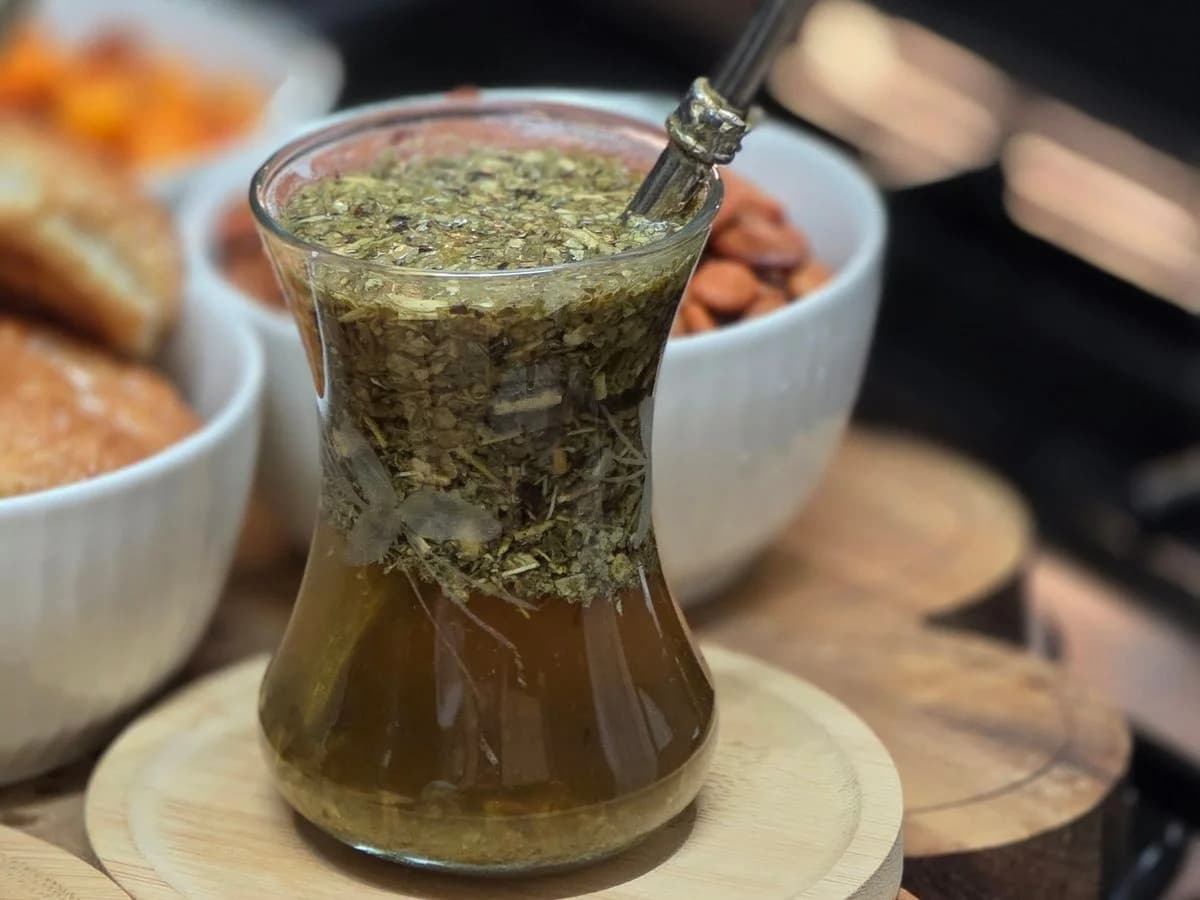
Product description
Product details

Kabour International Group
Manufacturer• Syria• Member since 1960
Kabour International Group states that it is a family-owned company that began in 1960 as the first importer of yerba mate from Argentina to the Syrian market, set up a yerba mate preparation and packing plant in Yabroud (Rural Damascus) in 1985, and in 2007 established Grupo Kabour in Argentina, with its own factory and farms for planting, drying and blending yerba mate for export to Syria. The group also includes Campo Company, which expanded into tea, herbs, coffee and beverages, and its website lists 16 distribution centres across Syrian governorates. In yerba mate the group owns the Kharta Al Khadra (25 g to 500 g) and Malta brands and says it packs Piporé, Taragüi, Amanda and Sakhra in Syria under official agencies and licences, alongside Sabrosa. The Campo range covers loose Ceylon black tea (90–450 g) and tea bags (20–100 bags), plain green tea and more than ten flavoured green teas, single herbs and zhourat, medicinal herbal mixtures, roasted coffee with and without cardamom (100, 200 and 500 g), instant coffee, 3-in-1, 2-in-1 and cappuccino sachets, hot chocolate, cocoa with milk, sahlab and karak tea, powdered juices, milk powder (20–900 g) and biscuits under the Bondia, Nopio, Lecho, Marsho, Ocho, Zico and Trigo digestive brands. The group states that its production lines are fully automated so products are not touched by hand during preparation and packing, that it runs expert tasting sessions to develop mate blends, and that each box of its medicinal herbal blends carries a leaflet approved by the Syrian Ministry of Health under a pharmacist's supervision. Its Gulfood 2026 profile states a production capacity of about 30 million kg a year and exports of more than 50 containers (40HQ) a month to Arab and European countries; the export map on its website shows 29 countries.
Related Export Offers in this Sector
View All in Sector →
Lipton Green Tea and Herbal Infusions
Injaz Supply and Distribution Company
Lipton Yellow Label Tea
Injaz Supply and Distribution Company
Tea Break Karak Tea
RITCO – IDEAL Marketing

Tanay Organic Black Tea
Baazeem Trading Company